Cultural Anthropologist, Dharma Teacher &
Guide for Conscious Transformation
Lisa Feder
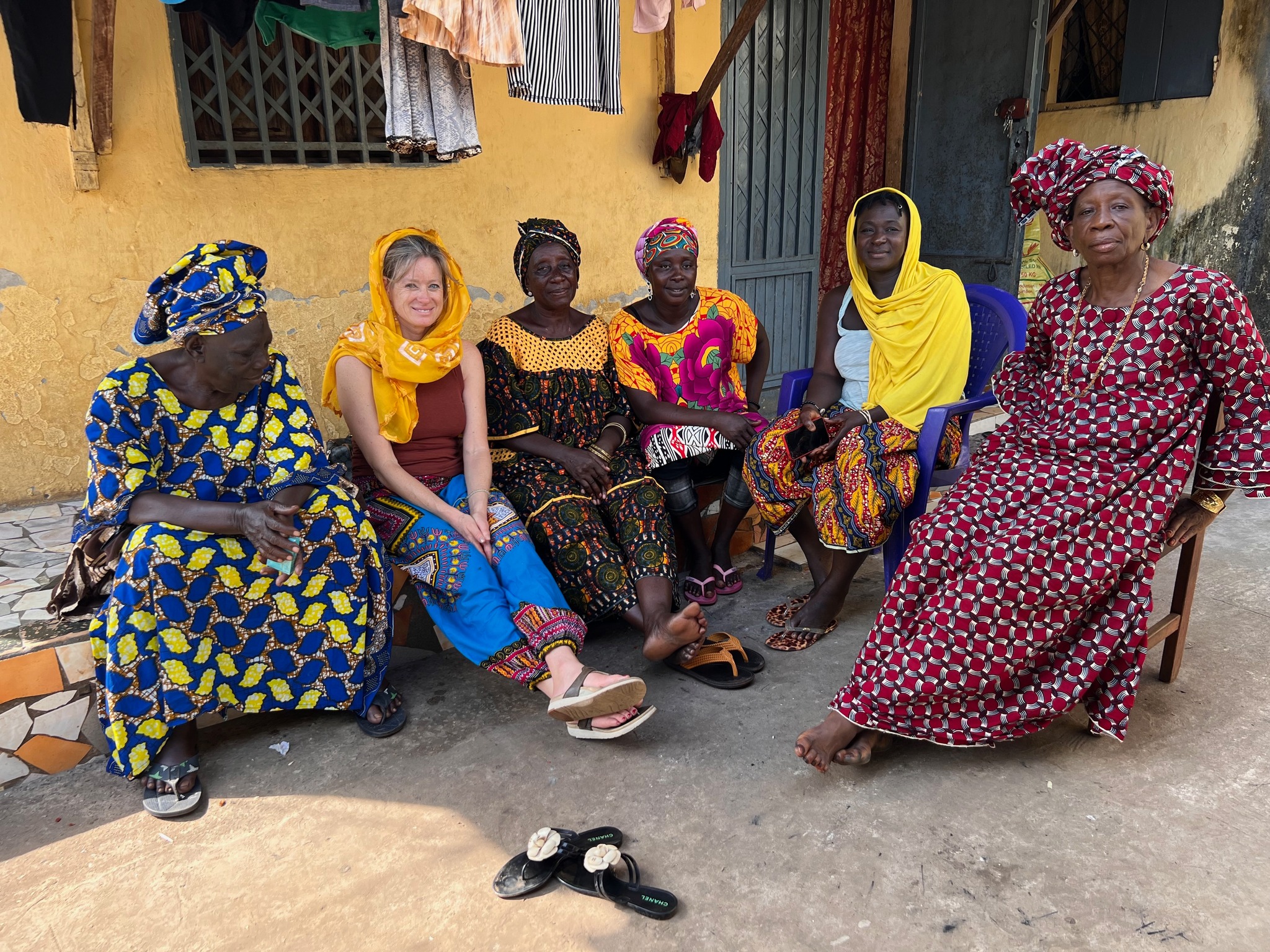
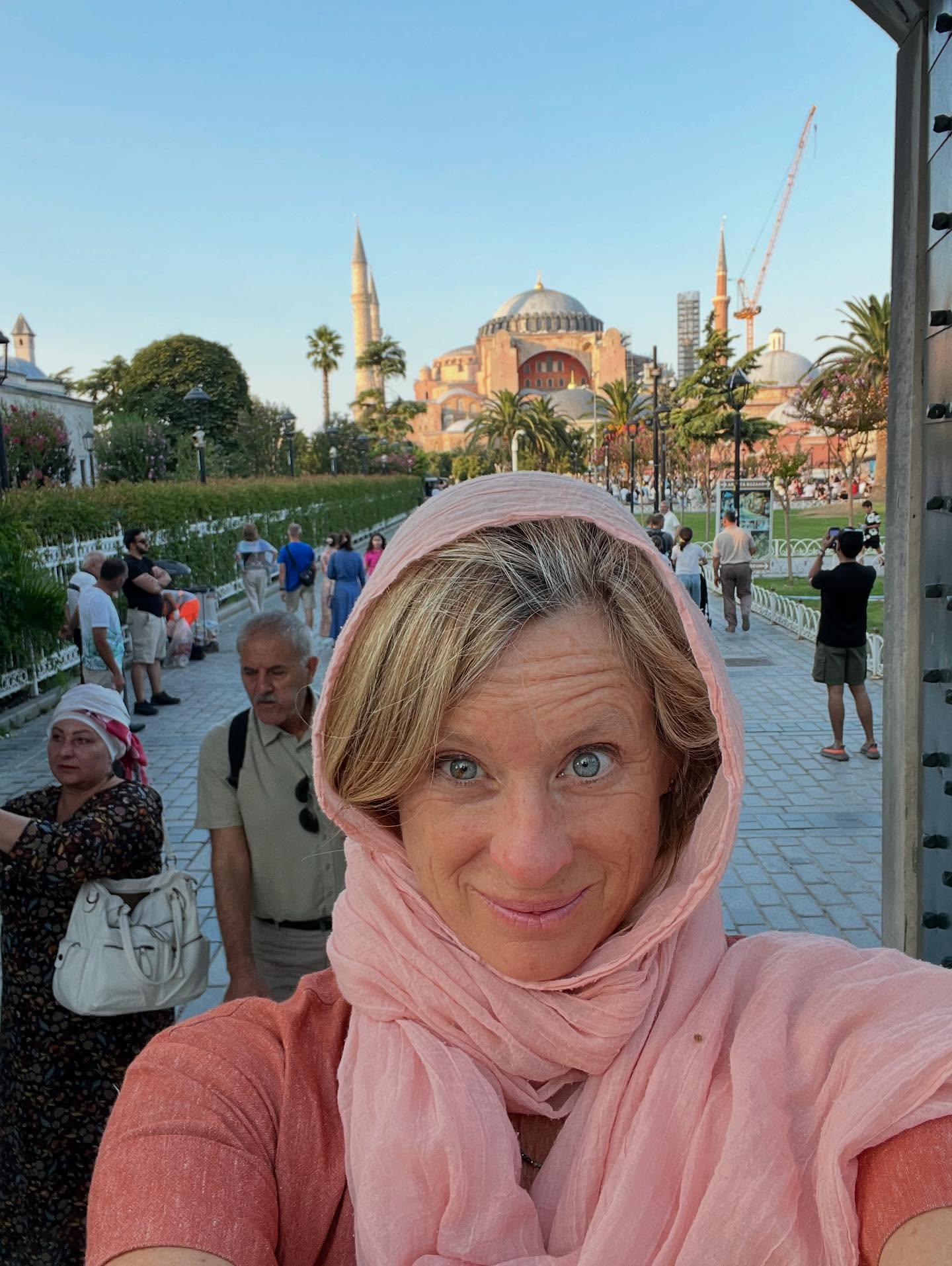
I have lived outside my own culture for so long that I no longer think of myself as American. Nor French. The world is my home — and that is not a loss. It is the greatest gift my life has given me.
Because when you live across cultures long enough, something remarkable happens. You begin to see the code. The invisible programming — laid down by family, culture, and years of unconscious repetition — that runs most of our lives without our knowledge. Like waking up inside the Matrix and suddenly seeing the green lines behind the world you thought was real.
Anthropology showed me this from the outside. Meditation showed me this from the inside. And thirty years of sitting with both have convinced me of something I now build my entire work around:
When we can see how the program runs — we gain the power to rewrite it.
About Lisa
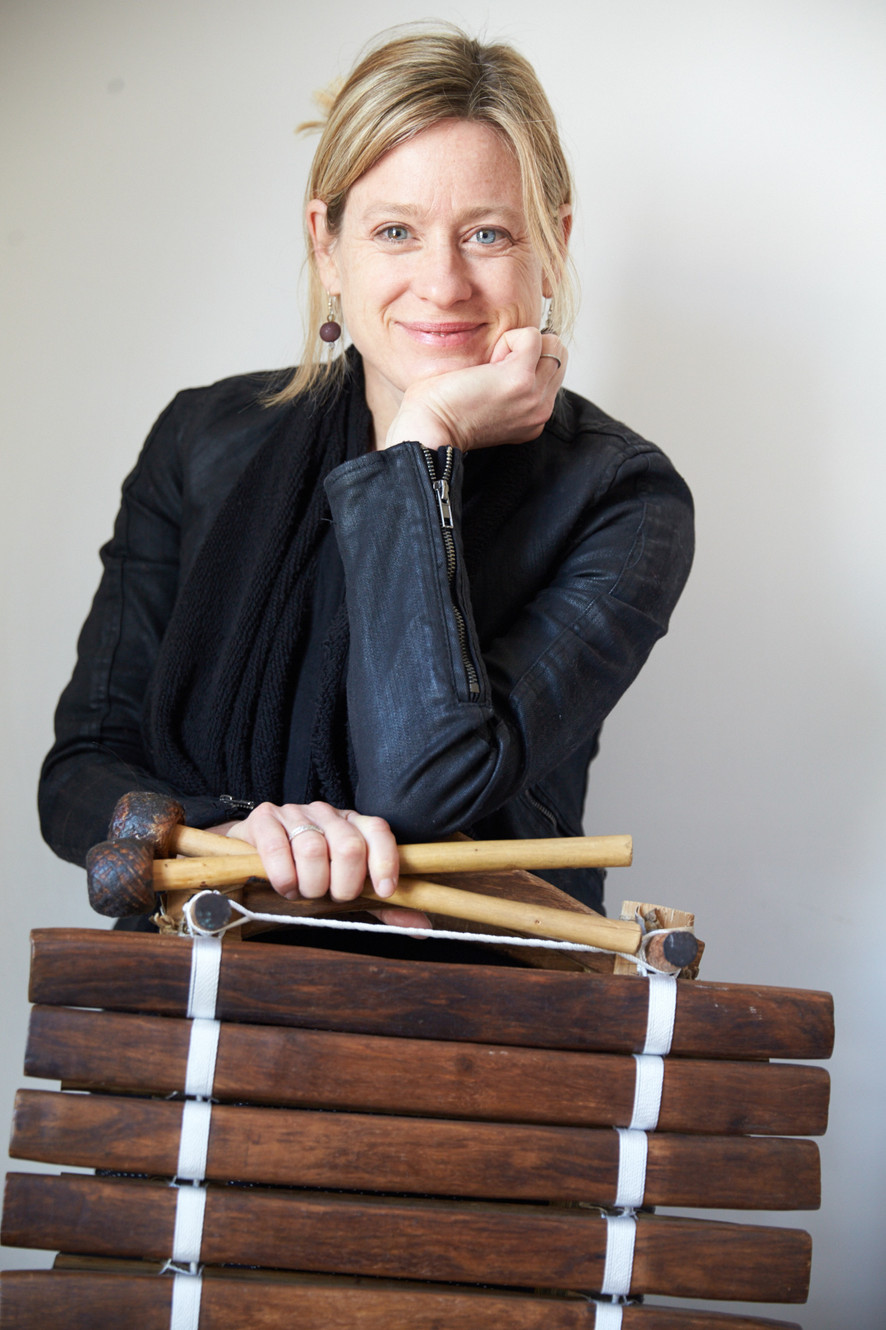
Lisa Feder is a cultural anthropologist, dharma teacher, and longtime meditation practitioner. Born in New York and based in France since 2015, she has lived and learned across Brazil, Costa Rica, and West Africa — studying how different societies create meaning, transmit wisdom, and shape the people who grow up inside them.
She earned her Ph.D in Cultural Anthropology from Cornell University, her MA from the University of Chicago, and her BA from Lafayette College. She has practiced vinyasa yoga since 2001 and has been certified to teach since 2007. She trained with the late Achariya Doug “Qapel” Duncan and continues her studies and karma yoga with Catherine Pawasarat Sensei of Planet Dharma, receiving oral transmission in the Namgyal Rinpoche lineage.
This lineage continues today through Lisa’s direct teacher, Catherine Pawasarat Sensei, whose work addresses power, gender, and the future of Buddhism with a clarity and courage that shapes everything Lisa brings to her own teaching.
And Lisa has seen it confirmed again and again — in the field, on the cushion, and in the coaching room. Not as philosophy. As lived experience. This is what she brings to every retreat, every coaching session, every meditation class: not a technique, but a way of seeing. Not a fixed path, but the agility to find your own.
The Work
Lisa’s path has always been about revealing what usually stays hidden.
Anthropology showed her that stepping outside one’s culture exposes assumptions we rarely question. Why do West Africans communicate in ways Americans and Europeans don’t expect? Why do the Kayapo of Brazil organize knowledge differently? How does West African polyrhythmic music — where multiple time signatures dance together without losing each other — completely rewire Western musical logic? These encounters don’t just broaden our perspective. They reveal our blind spots. And in revealing them, they expand what we think is possible.
Dharma practice does the same — but from within. Meditation makes the patterns running our lives more conscious. It trains us to be present to each moment — to the state of the body, the movement of the mind, the quality of awareness itself.
For Lisa, anthropology and Buddha-Dharma are not separate pursuits. They are complementary tools, pointing at the same truth from different directions: that most of what we take to be “ourselves” is constructed — and that seeing this clearly is the beginning of genuine freedom.
Namgyal Rinpoche, put it this way: intelligence is measured by the agility to adapt easily to new situations as they arise. Dilgo Khyentse Rinpoche said something similar: the purpose of our everyday practice is to develop a complete carefree acceptance, an openness to all situations without limit — to relate to people without artificiality, manipulation, or strategy, and to experience everything totally. And our late, dear Qapel distilled it into a single image: when the outer appearance matches the inner sentiment, you have arrived at authenticity.
Three teachers. One tradition. One thread.
The Book
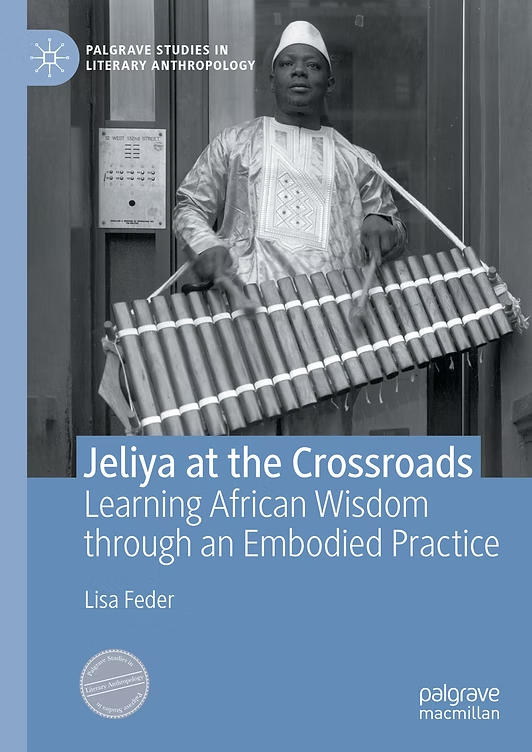
Lisa’s book, Jeliya at the Crossroads — available in English and French — is an auto-ethnographic journey drawing on two decades with West African griot musicians in the Gambia, Guinea, the U.S., and France. It explores the griot tradition as an indigenous education system that reshapes not just musical skill but consciousness, community, and ways of knowing.
The book also examines the economic realities that shape cross-cultural exchange, and the challenges and gifts that arise when Western and West African worlds meet.
Order on Amazon